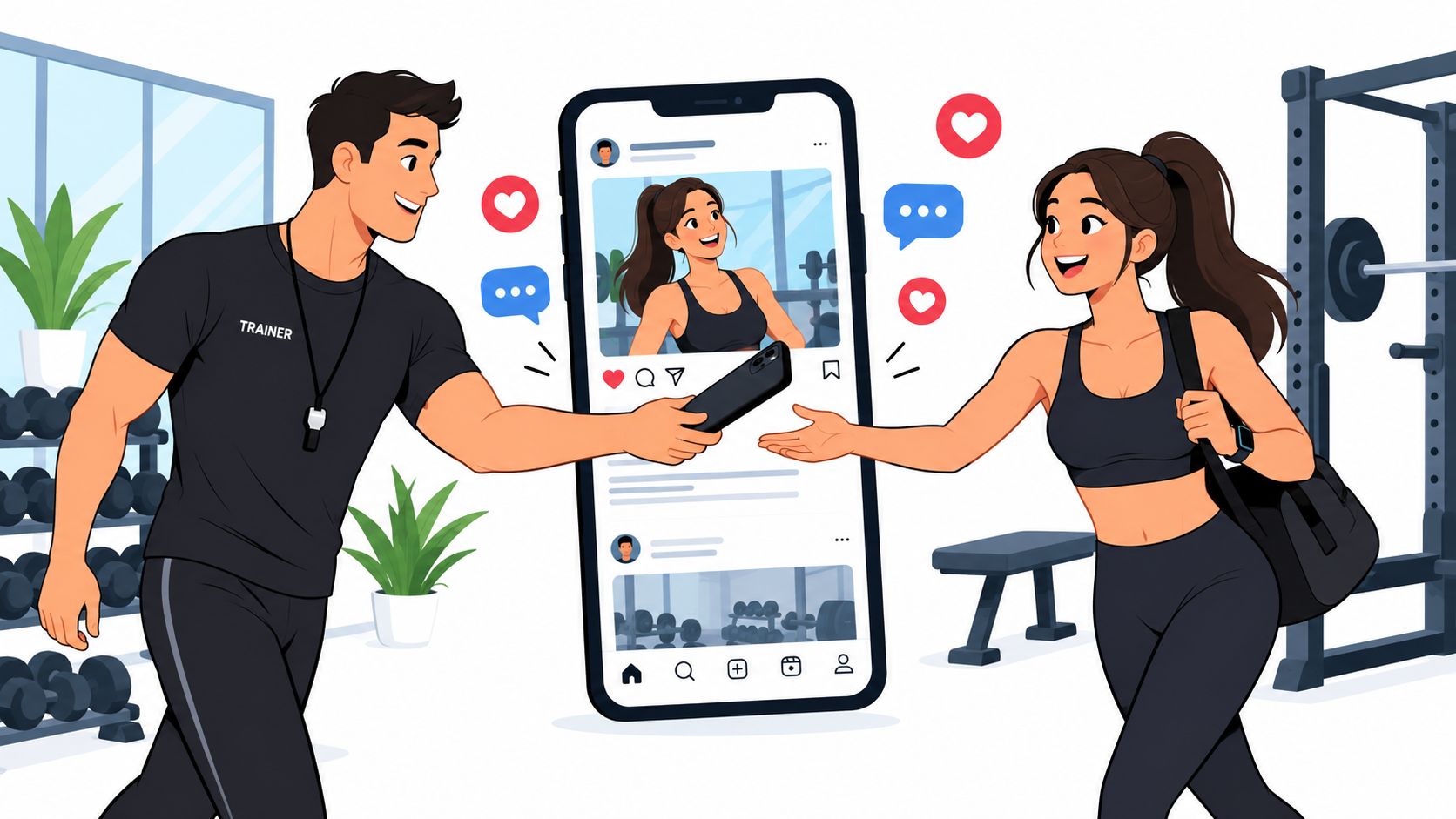
A social media takeover is a planned, temporary collaboration where a guest, staff member, or influencer posts on a gym's official account. In the security context, 29% of people reported experiencing an account takeover, compared with 22% in 2021, so the marketing idea and the cybersecurity threat must stay clearly separate.
Your gym's feed may look polished, yet still feel flat. The same equipment photos appear each week, every caption pushes a membership offer, and followers rarely see the people who make your facility feel welcoming. A carefully planned takeover changes that by putting a real voice, face, and experience at the center of your content.
For a gym owner, this isn't just a clever posting trick. It's a way to build trust before a prospect ever walks through the door, while giving your community a reason to pay attention today.
Defining the Social Media Takeover
A marketing takeover is a temporary delegation of your gym's social media account to an invited guest. That guest might be a personal trainer, member, local fitness creator, nutrition professional, or staff leader. They post in the first person, answer questions, share their routine, and show followers what it feels like to participate in your community.
For example, a strength coach could guide followers through a training day, explain how they prepare a beginner for their first session, and answer questions in Stories. The gym account remains the distribution channel, but the communication becomes more personal and identity-driven. This shift from centralized brand messaging to a recognizable individual can create greater perceived authenticity and relational warmth. Research on collaborative social media takeovers describes this format as a temporary handoff to an invited employee, customer, expert, or influencer.
Marketing takeover: An approved guest temporarily creates content on your account.
Security takeover: An unauthorized person gains access to your account.
Those definitions describe opposite situations. In security reporting, an account takeover means attackers obtain credentials through phishing, data breaches, or dark-web sources. They may then change passwords or security settings, lock out the owner, and deceive followers from the compromised profile. A consumer safety explanation of social media account takeovers records that 29% of surveyed people had experienced an account takeover, up from 22% in 2021, and estimates that this represented about 77 million U.S. adults. Among victims, 53% said the stolen account was a social media profile, making social platforms the most commonly compromised account type in that study.
The distinction matters every time you hand access to another person. Marketing access should be authorized, limited, documented, and removed when the campaign ends. Security access is the problem you're working to prevent.
If you're also strengthening your wider strategy, this guide on how to attract members with social media offers useful context. You can also review this social media marketing resource for gyms before choosing a campaign format.
Why Fitness Facilities Need Authentic Voices
Fitness decisions are personal. Prospects want to know whether they'll feel comfortable asking questions, joining a class, using unfamiliar equipment, or meeting other members. A graphic that says “Join today” can communicate an offer, but it can't fully communicate the human experience behind that offer.
A takeover lets the audience meet the people who create that experience. A member can share the small details that make a first visit less intimidating. A trainer can explain how they modify a movement for different ability levels. A group instructor can show the energy before class and the encouragement afterward.

Turn one campaign into several audience touchpoints
A takeover works best as a short, time-boxed engagement campaign, not as one isolated post. The host can introduce themselves, share the main content, respond to comments, and close with a clear invitation. Before the campaign begins, the gym can promote the date, while the host can alert their own audience through personal channels.
That sequence creates a multi-channel traffic event. The host brings an existing audience and a familiar voice, while your gym account provides the controlled destination where the story unfolds. Boston University's takeover guidance recommends advance teaser promotion, cross-promotion through the host's channels, and a narrative arc with an introduction, content body, and wrap-up.
Show the community behind the equipment
The strongest fitness takeovers don't pretend the gym is perfect or stage every moment like a commercial. They reveal the culture that a prospect would otherwise need to discover in person. A quick tour, a warm welcome for a new participant, or an honest answer about a challenging class can make the facility feel more accessible.
That authenticity doesn't mean abandoning standards. Your brand still sets the topic, boundaries, and safety expectations. The host delivers the message through a voice followers can recognize and relate to.
Choosing Your Takeover Host
The right host depends on the business result you want. Don't choose someone only because they have a large following. Choose the person whose experience matches the audience you want to reach and the action you want people to take.
| Host Type | Primary Benefit | Best Use Case |
|---|---|---|
| Influencer | Brings an outside perspective and access to a relevant audience | Promoting a new class, opening, challenge, or local partnership |
| Staff member | Demonstrates expertise and reinforces the gym's standards | Explaining personal training, coaching methods, or member support |
| Member | Provides relatable social proof and community connection | Showing the beginner experience, daily routine, or member culture |
Influencer takeovers
A local fitness creator can introduce your facility to people who haven't considered visiting. This format works especially well when the creator's audience lives near your gym and already cares about the type of training you offer. Give the influencer a specific theme, such as trying a class, meeting the coaching team, or learning a movement.
Reach alone isn't enough. Review the creator's tone, comment quality, previous partnerships, and relationship with the local fitness community. A smaller but genuinely relevant audience may fit your facility better than a broad audience with little connection to your location. For more planning ideas, explore this resource on Instagram influencers in fitness.
Staff takeovers
A staff takeover builds authority without making the account feel distant. A coach can explain how they welcome beginners, demonstrate modifications, or answer common questions about a training plan. A front-desk team member can show the check-in process and introduce the people who help members get settled.
This is often the most manageable first campaign because the staff member already understands your policies and voice. It's a strong choice when you want to generate personal training inquiries or make an unfamiliar service easier to understand.
Member takeovers
Members bring lived experience that staff can't replicate. They can show what arriving for a class feels like, describe how they use the facility, and share the moments that helped them stay engaged. That perspective can reduce uncertainty for prospects who are nervous about joining.
Set clear consent and privacy boundaries before filming. The member should know what areas, people, and activities they may show, and your team should protect anyone who hasn't agreed to appear. For a first campaign, match the host to one clear goal, then keep the story focused rather than asking them to represent every part of the gym.
Executing a Secure and Successful Campaign
A takeover should feel energetic to followers and controlled behind the scenes. Build the campaign before access changes hands, then give the host only the permissions they need.

Prepare the agreement and story
Start by agreeing on the date, duration, topic, content types, approval process, and responsibilities. UMass Amherst's collaborative takeover guidance recommends agreeing on the date in advance and signing a takeover agreement. That formal step gives both sides a shared reference point if plans change.
Create a simple narrative arc:
- Teaser: Announce the host, theme, and campaign date.
- Introduction: Let the host explain who they are and why they're taking over.
- Content body: Publish the planned tour, training, interview, class experience, or question session.
- Wrap-up: Thank followers, answer remaining questions, and direct them to the next action.
Define the post count and content boundaries in writing. Decide who responds to comments, who handles sensitive questions, and what happens if a post needs correction. A fitness brand ambassador guide can also help you think through collaborator expectations.
Choose the safest access model
There are three practical access models: no direct access, role-based access through platform permissions, or shared credentials as a last resort. No access works when your team publishes approved content on the host's behalf. Role-based access is preferable when the platform supports it because you can limit permissions and remove the collaborator without distributing the main password.
If a shared credential is unavoidable, use a secure password manager rather than email, text, or chat. Activate two-factor authentication, review recent login activity, and avoid password reuse. SocialK's takeover guidance recommends removing access or rotating credentials within 24 hours after the takeover ends.
Run the handoff like a live event
Assign one gym employee to monitor publishing, comments, messages, and access. Keep the host focused on the agreed story while the account owner watches for privacy issues, inaccurate claims, or content that falls outside the agreement.
After the campaign, save the content and performance data, remove permissions, reset credentials where necessary, and hold a short review. The best campaigns leave you with reusable creative ideas and a clearer understanding of what your community wants to see.
Measuring Real Business Impact
Views can show attention, but they don't prove that a takeover helped your gym grow. Set the business objective before publishing, then connect each piece of content to an action you can observe.
A campaign promoting a new class might focus on profile visits, schedule-page clicks, and direct messages about availability. A personal training campaign could track consultation requests. A community-focused member story might measure replies, saves, tagged friends, and trial-visit conversations at the front desk.

Build a measurement path
Give the audience one clear next step. Use a trackable link to the membership page, a dedicated inquiry phrase, or a promotion connected to the host. Ask new visitors how they heard about the gym, and record takeover-related responses consistently instead of relying on memory.
Track the journey in stages:
- Attention: Story views, video completions, reach, and content replies.
- Interest: Profile visits, website sessions, link clicks, and direct messages.
- Intent: Trial requests, class questions, consultation bookings, and calls.
- Business outcome: Membership conversations, new enrollments, or personal training appointments attributed to the campaign.
Likes still have value when they signal resonance, but they shouldn't be the finish line. Compare the quality of conversations and actions with the resources your team invested. A Hooked ROI guide can provide additional structure for connecting social activity with business outcomes.
Use the results to improve the next campaign
Review which host, topic, format, and call to action produced the most relevant responses. If followers watched a coach's equipment tutorial but ignored a generic offer, build the next campaign around education and a more specific invitation.
Keep the review practical. Ask which questions appeared repeatedly, which content prospects mentioned during visits, and where people stopped responding. Those answers can shape your future posts, landing pages, class descriptions, and sales conversations.
Overcoming Common Hesitations
The biggest fear is usually loss of control. Gym owners worry that a guest will publish something off-brand, reveal private information, or mishandle a comment. Those risks come from unclear boundaries and uncontrolled publishing, not from the takeover concept itself.
You can reduce that exposure before the first post goes live. Approve the theme, define the areas the host may film, list topics they shouldn't address, and name the team member who handles sensitive questions. Give the host examples of the gym's tone without forcing them to sound like a corporate template.
A slightly unpolished clip can feel more believable than a highly produced graphic because it shows a real person in a real environment. That doesn't mean posting careless content. It means prioritizing useful, human moments over perfection.
Practical rule: Give collaborators creative freedom inside a firm frame.
If the host posts something that doesn't fit, respond quickly and calmly. Pause or remove the content according to the agreement, publish a correction when needed, and discuss the issue privately with the collaborator. Avoid improvising access decisions in the middle of the campaign.
Formal preparation makes the handoff easier. UMass Amherst's guidance specifically points to advance date agreement and a signed takeover agreement, which makes pre-approval part of a professional process rather than an optional extra. With that foundation, your team can focus on conversation instead of panic.
Matching Digital Promises with Physical Cleanliness
A takeover may bring fresh attention to your gym, but the in-person experience confirms or breaks the promise made online. New visitors notice the check-in area, locker rooms, floors, shared equipment, and the condition of the spaces where they train. A welcoming digital voice should lead to a facility that looks cared for and feels ready for participation.
Make cleaning visible and easy to follow. Place a gym wipe dispenser near busy equipment zones, keep supplies easy to find, and train staff to check high-touch areas throughout the day. Stocking bulk gym wipes can help a busy facility keep supplies available across multiple training areas instead of hiding one container behind the desk.
Choose products for the surface and the intended task. EPA product labels allow disinfectant wipes to clean and disinfect hard, non-porous gym surfaces, including exercise machines, gym equipment, wrestling mats, and gymnastic equipment. Some labels require the surface to remain visibly wet for disinfecting, so staff and members should follow the product label rather than wiping the surface dry immediately. Review the EPA registered disinfecting wipes label information for the approved directions.
Provide wipes to disinfect gym equipment where members can use them before and after training, while assigning staff responsibility for deeper cleaning. For larger facilities or specialist support, Arelli Cleaning gym services offers a relevant commercial cleaning reference.
Cleanliness turns a one-day social interaction into a credible member experience. When your online community sees people, care, and consistency both on the feed and on the gym floor, your takeover becomes more than content. It becomes a clear demonstration of how your facility treats its members.
Choose one host, one audience, and one business goal for your first takeover. Agree on the date, sign the takeover agreement, plan the story, secure access, and place cleaning supplies where new visitors will see and use them. Then invite your chosen trainer, member, or local creator to bring your gym's community to life.
Leave a Reply